
Lavash Recipe | نان لواش | լավաշ
- Daniel
- Mar 27
- 3 min read
Updated: Jun 25
Lavash is one of the world’s oldest breads, deeply rooted in the cuisines of Armenia, Persia, and the Caucasus. Traditionally baked in a tandoor-like clay oven called a tonir, lavash was made to be soft, pliable, and perfect for wrapping meats, cheeses, and herbs.

While its origins lie in Armenian and Persian food culture, variations of lavash have spread across Turkey, Azerbaijan, and Central Asia, making it a beloved staple in many cuisines. Over time, different regions have adapted it—some prefer it soft for rolling wraps, while others let it dry into crisp sheets, great for snacking or dipping.

Unlike store-bought wraps filled with preservatives, homemade lavash is incredibly simple and rewarding. With just flour, water, olive oil, and salt, you can create a soft, chewy flatbread that puffs up beautifully on a hot skillet.

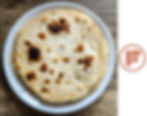
The dough is rolled thin—almost translucent—before being cooked over an open flame, where it develops those signature golden-brown charred spots. Whether you're using it for kebabs, dips, or even as a base for flatbread pizza, lavash is a versatile bread that deserves a spot in your kitchen.
If you've never made flatbread before, this is the perfect beginner-friendly recipe to try. It requires no fancy ingredients, just a bit of patience while the dough rests. Once cooked, lavash stays soft and flexible, making it an ideal wrap for your favorite fillings.

Try it fresh off the skillet, drizzled with olive oil and sprinkled with sumac, or stuffed with grilled meats, veggies, and cheese. Trust me, once you make homemade lavash, you’ll never want store-bought wraps again!
Ingredients:
(Makes 5)
Unbleached All Purpose Flour, 360g
Sea Salt, 5g
High Quality Olive Oil, 12g + More For Greasing
Water, 200g
Equipment:
Cast Iron Skillet
Directions:
In a large mixing bowl, combine flour and salt.
Create a well in the center and add water and olive oil.
Mix until it becomes a dough.
Knead the dough inside the bowl, picking up all the nooks and crannies, for about 5 to 8 mins.
The dough should be smooth and tacky, but not sticky.
If the dough is too dry, add in more water, 1 TBSP at a time.
If the dough is too wet, add in more flour, 1 TBSP at a time.
Form the dough into a ball.
Grease lightly with olive oil.
Transfer back into a bowl.
Cover and set aside to rest for 2 hrs.
After 2 hrs, weigh and divide into 5 equal dough balls.
Shape each dough into tight dough balls.
Cover the dough balls with a lint-free kitchen towel and set aside to rest for 15 mins.
Keep the rest of the dough balls covered while you are working on a dough ball.
On a floured working surface, using a rolling pin, roll into a large disc to about 8" in diameter and it should almost be translucent.
Lightly grease a skillet with some oil over medium high heat.
Transfer the shaped dough onto the skillet when it is smoking hot.
As the dough is cooking, air pockets will form. That is a good sign.
Cook until lightly charred on both sides.
Repeat the steps for the remaining dough balls.
Use them for your favorite wraps.

Light and fluffy...